
Pet grooming academies have evolved to emphasize understanding animal behavior, utilizing effective communication techniques, and identifying stress signals. By incorporating these elements, they enhance pet well-being and create a more compassionate grooming experience pet grooming course.
Pet grooming academies now blend animal psychology into their training programs.
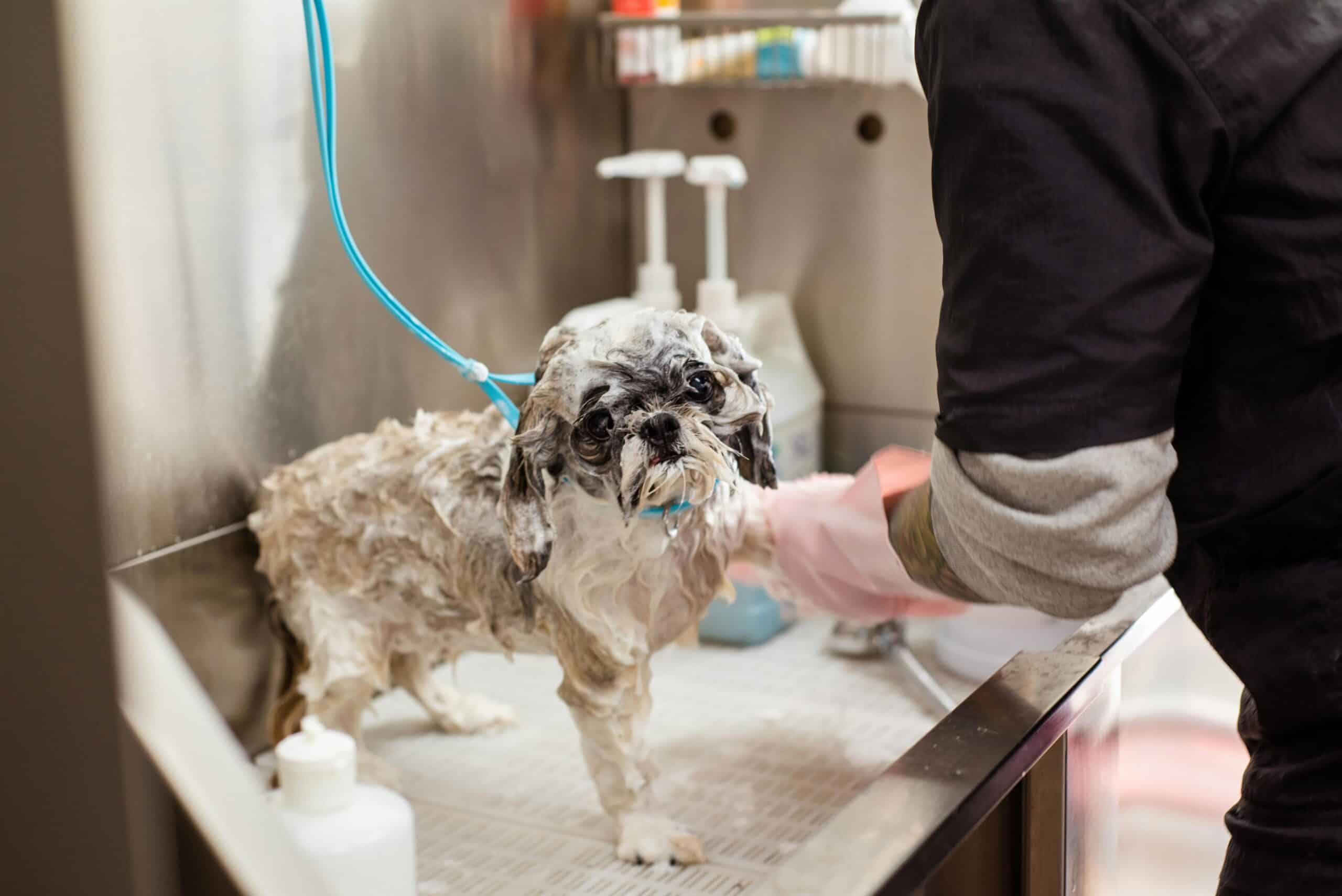
Evolution of Pet Grooming Academies
Over the years, pet grooming academies have evolved in response to advancements in animal care and grooming techniques https://cosmos.petuniverse.com/. These academies have shifted from traditional methods to incorporate modern approaches that focus on the well-being and comfort of the animals.
Today, students are trained not only in grooming skills but also in understanding animal behavior and psychology. This evolution has been driven by a desire to provide more holistic care for pets, recognizing that grooming isn’t just about aesthetics but also about ensuring the overall health and happiness of the animals.
Importance of Animal Behavior Understanding
Understanding animal behavior is crucial for pet groomers to provide effective and empathetic care to their furry clients. By recognizing body language cues, vocalizations, and stress signals, groomers can better understand a pet’s emotional state and tailor their approach accordingly. This knowledge helps groomers create a safe and comfortable environment, reducing anxiety and ensuring a positive grooming experience for the pet.
Additionally, understanding animal behavior allows groomers to anticipate reactions, prevent potential conflicts, and build trust with the animals in their care. A deep grasp of animal behavior not only enhances the grooming process but also contributes to the overall well-being and happiness of the pets, fostering a strong bond between groomer and client.
Communication Techniques With Animals
By recognizing and interpreting communication signals from animals, pet groomers can effectively establish rapport and ensure a positive grooming experience for their furry clients. Through keen observation and understanding of body language, vocalizations, and behavior cues, groomers can tailor their approach to each pet’s unique needs.
Non-verbal cues like wagging tails, flattened ears, or relaxed postures can indicate comfort or stress levels. Verbal cues such as purring, growling, or barking also provide valuable insights into an animal’s emotional state. By responding appropriately to these signals, groomers can build trust, reduce anxiety, and create a safe environment for grooming sessions.
Effective communication techniques not only enhance the grooming process but also strengthen the bond between groomer and pet.
Recognizing and Managing Stress Signals
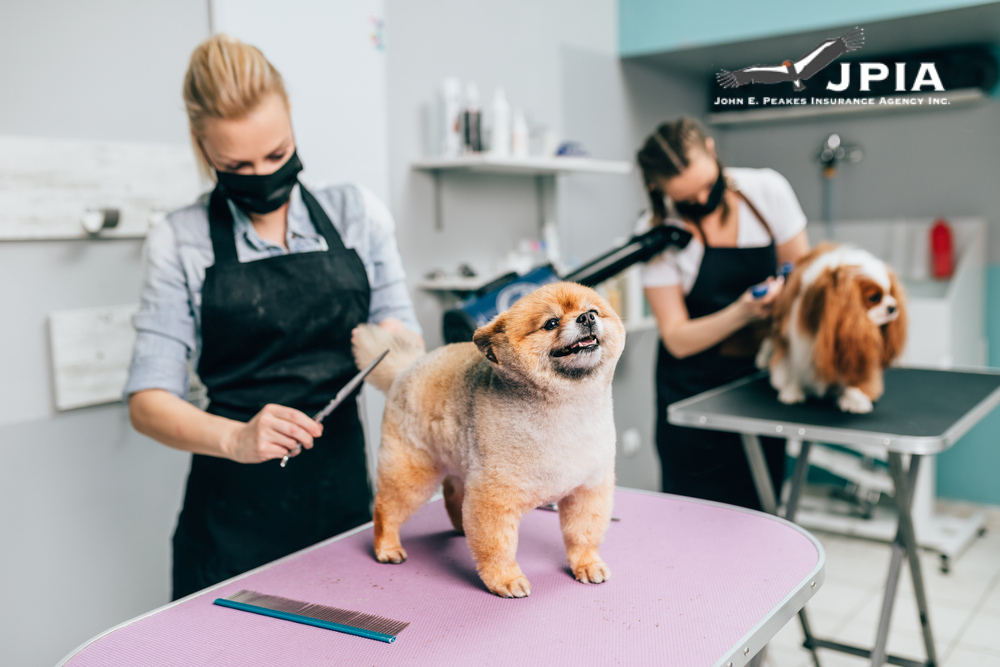
Recognizing stress signals in animals allows pet groomers to proactively address discomfort and ensure a calm grooming experience for their furry clients. Signs of stress in pets can include panting, trembling, flattened ears, dilated pupils, and attempts to escape. By being attuned to these cues, groomers can adjust their approach to make the grooming process less stressful for the animals.
Techniques such as providing breaks, using calming pheromones, and employing gentle handling can help manage stress during grooming sessions. It’s essential for groomers to create a safe and trusting environment where pets feel comfortable and secure. By recognizing and responding to stress signals promptly, pet groomers can build positive relationships with their animal clients and promote a more enjoyable grooming experience.
Enhancing Pet Well-being Through Training
Pet grooming academies prioritize enhancing pet well-being through specialized training programs. These programs focus on animal behavior and psychology, allowing groomers to understand how pets think and react. By tailoring handling techniques and using positive reinforcement methods, groomers can create a positive grooming experience for pets.
These academies also emphasize the importance of creating a calm and safe environment during grooming sessions. This reduces stress and anxiety in pets, making the process more enjoyable for both the animals and the groomers.
Incorporating principles of animal psychology into their curriculum, groomers can effectively communicate with pets, build trust, and enhance the overall well-being of the animals in their care.
Conclusion
Overall, pet grooming academies have evolved to incorporate animal psychology in training to better understand and communicate with our furry friends.
By recognizing and managing stress signals, as well as enhancing pet well-being through training, groomers can provide a more positive grooming experience for animals.
This holistic approach not only benefits the pets, but also strengthens the bond between pet owners and their beloved companions.