
Malaysia mandates a layered compliance regime for outdoor LED displays combining federal safety and emission standards, ministerial technical directives, and local council planning and streetscape controls. Installers must secure planning and advertising permits, supply engineering calculations, electrical certifications, insurance and community or heritage consents where applicable. Standards cover structural wind loading, corrosion-resistant fixings, licensed electrical work LED panel, surge protection, fire safety, automatic dimming and brightness limits, and content restrictions. Maintenance, inspections, risk assessments and auditable records are required for ongoing authorization and enforcement; further sections explain specifics.
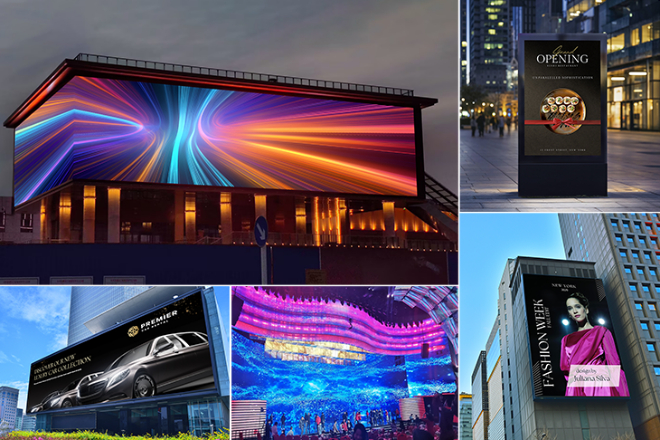
Overview of National and Local Regulatory Frameworks for Outdoor LED Displays
Regulation of outdoor LED displays in Malaysia is governed by a layered framework combining national statutes, ministerial guidelines and local council bylaws, each addressing safety, public order LED advertising board, advertising content and technical standards. The framework allocates responsibilities: federal laws set broad safety, electromagnetic emission and content norms; ministries issue operational and technical directives; local councils control siting through urban planning and streetscape rules. Compliance obligations cover brightness limits, structural integrity, and adjacency to sensitive uses. Content controls intersect with freedom of expression but are constrained by public order and moral standards. Operators must design systems mindful of data privacy where interactive or camera-equipped displays are used. Enforcement is administrative and corrective, prioritizing risk mitigation and preservation of public amenity.
Permits, Approvals, and Documentation Required in Malaysian Jurisdictions
What approvals are necessary depends on the display’s scale, location and functionality. Authorities typically require planning permission, advertising permits and licence endorsements from local councils; conditional approvals may involve transport or highways agencies for roadside visibility. Applicants must submit site plans, visual mock-ups, lighting specifications and proof of insurance. Heritage conservation zones impose additional constraints: conservation authority consent and heritage impact assessments are mandatory for alterations near protected buildings. Community engagement records — consultation minutes, responses and mitigation commitments — strengthen applications and may be required. Environmental screenings, noise and light spill assessments support compliance claims. Application fees, statutory timelines and appeal procedures vary by jurisdiction. Clear, complete documentation accelerates approval and preserves operational freedom within regulatory bounds.

Structural, Electrical, and Fire Safety Standards for LED Installations
Addressing structural, electrical, and fire safety for LED outdoor displays requires adherence to established engineering standards, certified componentry, and documented risk controls to guarantee public safety and regulatory compliance. Structural assessments must quantify wind load, dynamic forces, and foundation integrity; mechanical anchoring designs require certified calculations, corrosion-resistant fixings, and inspection records. Electrical systems must use licensed installers, surge protection, IP-rated enclosures, and circuit protection sized to prevent overloads and detect faults. Fire safety mandates non-combustible materials where possible, thermal management to limit overheating, accessible isolation switches, and coordinated emergency response plans. Documentation of compliance — engineering drawings, test certificates, maintenance schedules, and inspection logs — is essential for permitting and liability mitigation. Enforcement relies on measurable standards and traceable evidence.
Light Pollution, Brightness Limits, and Road Safety Considerations
Having established structural, electrical, and fire safety controls for LED outdoor displays, attention must next turn to light pollution, brightness limits, and road safety to guarantee installations do not create visual hazards or violate environmental and traffic-safety standards. Regulations should set maximum luminance by time-of-night, require automatic dimming and adaptive controls to respect surrounding residential areas and circadian health, and mandate shielding and directional optics for glare mitigation. Placement rules must consider sight lines, driver distraction thresholds, and separation distances from intersections and pedestrian crossings. Compliance testing, routine measurement protocols, and clear penalties for exceedance enable enforcement without stifling responsible enterprise. Guidance documents should prioritize measurable criteria and scalable mitigation options to preserve public safety and outdoor freedom.
Content, Advertising, and Public Decency Rules for Digital Signage
Why should content rules for digital signage be codified with the same rigor as technical standards: to protect public decency, prevent harmful or misleading messaging, and guarantee equitable commercial practice. Regulatory frameworks should define prohibited material, age-appropriate displays, truth-in-advertising requirements, and limits on sensationalist or deceptive content. Clear provisions motivate advertising ethics, require disclosures for promotions, and enable sanctions for repeat violations. Cultural sensitivity must be embedded to respect Malaysia’s plural society while preserving freedom of expression for lawful commerce. Permit systems, content review protocols, and transparent appeals ensure consistency and predictability for operators. Enforcement mechanisms should be proportionate, rights-respecting, and oriented to corrective action rather than punitive disruption of legitimate business activity.
Best Practices for Inspection, Maintenance, and Risk Management
The operator should implement regular visual inspections to identify damage, electrical faults, and visibility issues promptly. Scheduled preventive maintenance must be documented and adhered to, covering cleaning, component replacement, and firmware updates to guarantee continued regulatory compliance. Risk assessment protocols should evaluate structural, electrical, and public-safety hazards and define mitigation actions, escalation paths, and recordkeeping requirements.
Regular Visual Inspections
Regularly scheduled visual inspections form the foundation of effective LED outdoor display maintenance, providing rapid identification of mechanical damage, electrical hazards, and mounting integrity issues before they escalate into safety or compliance violations. The procedure emphasizes disciplined visual audits and thorough surface checks to guarantee displays remain structurally sound, electrically safe, and compliant with Malaysian regulations. Inspectors document anomalies, tag defects for action, and assess immediate public-safety risks without performing repairs on-site.
- Verify enclosure integrity, mounting points, and fasteners for deformation, corrosion, or loosening.
- Inspect visible wiring, conduit entry points, and seals for chafing, exposure, or water ingress.
- Conduct screen surface checks for pixel outages, delamination, and obstruction affecting legibility and glare.
Reports prioritize corrective timelines, risk level, and responsible parties.
Scheduled Preventive Maintenance
Building on findings from visual inspections, scheduled preventive maintenance establishes a systematic timetable of inspections, cleaning, component replacement, and functional testing to mitigate failure modes, reduce downtime, and maintain regulatory compliance under Malaysian standards. The program defines frequencies, qualified personnel, and documentation requirements, integrating predictive cleaning to optimize intervals based on environmental exposure and luminaire performance. Component replacement criteria are explicit: end-of-life parts, degraded modules, or safety-critical failures trigger immediate change-out. Functional tests verify brightness, color fidelity, ingress protection, and mounting integrity. Records support auditability and permit renewals. Contracts and owner policies preserve operational freedom while ensuring statutory obligations. The approach minimizes unplanned outages, extends asset life, and provides traceable evidence of proactive safety and compliance management.
Risk Assessment Protocols
By systematically identifying hazards, evaluating likelihood and consequence, and prioritizing controls, a risk assessment protocol for LED outdoor displays guarantees objective, auditable decisions that align with Malaysian regulatory requirements. The protocol documents hazard identification, assigns risk ratings, and prescribes controls that enable operational freedom while ensuring compliance. Regular reviews integrate inspection findings and incident reporting to close feedback loops. Clear roles, tolerable risk thresholds, and escalation paths support impartial enforcement and continuous improvement.
- Establish scope, perform hazard identification, and rate likelihood/consequence for structural, electrical, and environmental risks.
- Implement controls, schedule inspections, and record maintenance with traceable audit trails and incident reporting procedures.
- Review outcomes periodically, update controls, and authorize corrective actions to maintain compliant, resilient displays.
Frequently Asked Questions
How Do LED Displays Affect Nearby Wildlife and Habitats?
LED displays increase light pollution and can cause habitat disruption; they alter animal behavior, disrupt circadian rhythms, impede navigation, and fragment environments. Regulatory mitigation, shielding, timing controls, and spectral management reduce ecological impacts while preserving freedom.
Are Warranties or Insurance Specific to LED Signage Required?
No universal warranty mandates apply; requirements depend on contract, municipal bylaws and product standards. Entities should verify warranty mandates and insurance requirements, procuring suitable coverage and contractual warranties to preserve operational freedom and legal compliance.
What Are the Waste Disposal Rules for Decommissioned LED Panels?
Decommissioned LED panels must follow hazardous recycling streams; toxic components require certified e-waste processors. Component harvesting is permitted under licensed facilities with documentation, ensuring regulatory disposal, material recovery, and freedom-respecting electronic reuse pathways.
Can Historic Buildings Host Modern LED Billboards?
Yes. He examines approvals: heritage integrity must be preserved, visual intrusion minimized, and conservation guidelines followed; conditional permits, impact assessments, and reversible mounting guarantee compliance while allowing modern displays without compromising protection or owners’ freedom.
Are There Data Privacy Rules for Interactive LED Displays?
Yes. They require user consent and data minimization: operators must collect only necessary data, obtain explicit consent, secure storage, allow opt-out and deletion, and document lawful basis to respect user autonomy and comply with privacy obligations.
Conclusion
To summarize, Malaysia’s regulatory landscape for outdoor LED displays demands coordinated compliance with national and local statutes, structured permitting, and documented approvals. Installations must meet structural, electrical and fire safety standards while controlling brightness to prevent light pollution and traffic hazards. Content rules enforce advertising and public decency limits. Regular inspections, preventive maintenance and documented risk-management plans complete a compliance-focused approach that mitigates liabilities and ensures public safety and regulatory conformity.